Lubes em Foco Magazine – issue 97
Click on the magazine and read, download, or share the articles:
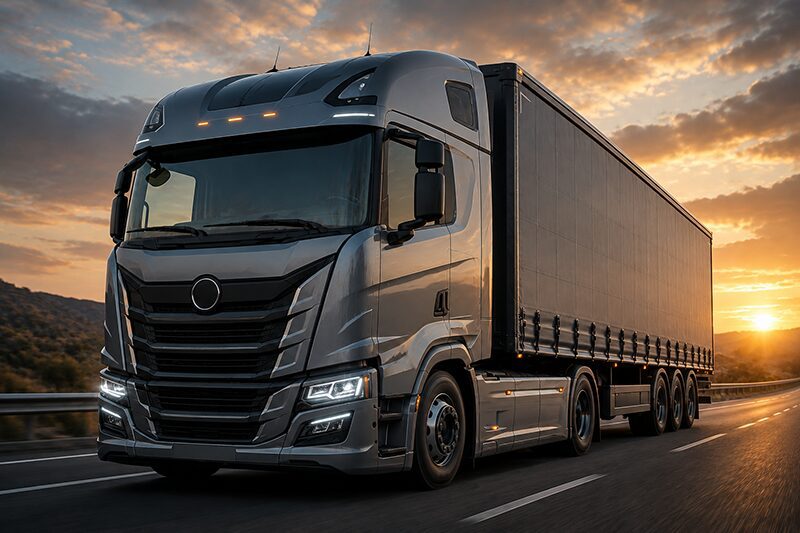 The PC-12 category, which will replace the current CK-4 and FA-4 oils, has overcome its last technical hurdles and is on track for its first license on January 1, 2027.
“PC-12 is really in the final stage,” said Bill O’Ryan, director of the Engine Oil Licensing and Certification System at the American Petroleum Institute (API). “All votes from ASTM and the API Lubricants Group have been approved.”
O’Ryan spoke during a panel discussion at the American Truckers Association (ATA) Council on Technology and Maintenance Annual Meeting in Nashville.
These approvals pave the way for the two service categories that will make up PC-12: API CL-4, which will replace CK-4 as the primary backward-compatible oil, and API FB-4, designed for newer engines that can benefit from lower viscosity oils for fuel economy gains.
Before the oils can reach the market, the industry must go through a mandatory waiting period that allows oil distributors and additive suppliers to finalize formulations and prepare products for licensing.
And although licensing is scheduled to begin on January 1, 2027, don’t expect to see a flood of the new oils on the market immediately.
Why is a new category of oil needed?
New categories of diesel engine oil typically emerge approximately every decade as engines evolve. PC-12 is no exception.
Truck and engine manufacturers determined that future engines would require enhanced oil performance. These needs were submitted to the API through the Training and Engine Manufacturers Association, which requested the development of a new category.
From there, the proposal went through a series of industry committees coordinated by the API and ASTM, involving engine manufacturers, additive companies, oil distributors, and testing laboratories.
The development committee must then develop tests and performance limits that ensure the oils meet these requirements.
For PC-12, the main objectives were:
• Improved oxidation resistance
• Enhanced wear protection
• Compatibility with modern engine materials and seals.
But achieving these objectives is not simply a matter of adding more additives.
Developing a new engine oil specification is partly an exercise in chemistry and partly a balancing act. Additives that solve one problem can sometimes create another.
“Putting it all together is the challenge,” said Karin Haumann, OEM technical services manager at Shell Global Solutions. “It’s a multi-variable problem you’re trying to solve. You’re trying to balance performance in areas that are sometimes conflicting.”
Will the 2027 EPA rules affect PC-12?
The new oil category is expected to arrive around the same time as the EPA’s 2027 emissions standards for heavy vehicles. With the EPA in the process of reviewing these regulations, questions have arisen about whether the changes could affect PC-12. According to panelists, the answer is no.
“The development of PC-12 is a technical exercise,” said Haumann. “While some of it may be driven by regulatory goals, that’s not what drives the PC-12 process.”
In other words, the category is being developed to meet the needs of modern engines, regardless of how emissions standards evolve.
Heather DeBaun, technical specialist in vehicle fluids at Traton R&D, stated that the improvements incorporated into PC-12 will remain relevant for both current and future engines.
“It will offer improvements we’ve been looking for in the areas of durability, oxidation control, and wear protection,” she said.
Extensive Field Tests
Although much of the work behind a new oil category is done in laboratories and engine test benches, oil companies are also conducting extensive testing under real-world conditions.
Haumann said that Shell alone has accumulated about 8 million miles of testing on highway fleets with the PC-12 candidate oils, in addition to more than 12,000 hours of testing on off-highway equipment.
These tests include new trucks and older equipment. Backward compatibility remains an important part of the specification, and fleets want to be sure that the new oils will perform well in existing engines.
Potential Benefits for Older Engines
Although PC-12 is primarily designed for future engines, some of the improvements may also benefit older engines.
One example is improved oxidation stability, which helps the engine oil resist degradation at high temperatures. This performance improvement can help maintain oil quality for longer service intervals.
“If a fleet wants to consider extending oil change intervals, oxidation is important for that,” said Haumann. “This new category offers better performance in that area.”
Additional wear protection tests incorporated into the category may also benefit older engines.
Still, fleets should always follow the engine manufacturer’s recommendations when selecting engine oil.
Ultra-Low Viscosity Oils Coming Soon
Just like the current CK-4 and FA-4 categories, PC-12 will again contain two different categories.
Cl-4 oils will cover the traditional viscosity grades that fleets are accustomed to.